TEFL Jobs in Italy
Make a positive impact and see the world with our exciting TEFL jobs.
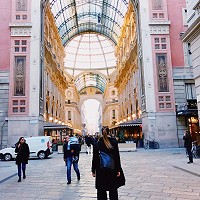
Teach English in Italy and explore a country that is renowned for its exquisite cuisine, in addition to its beautiful scenery, fascinating history, and elegant culture. Italy not only offers incredible cities and villages, but it also boasts fantastic weather year-round and magnificent natural beauty! Since the country's geography is so diverse, with both rocky and sandy beaches, forests, mountains, valleys, and rolling vineyards, there truly is something for everyone. Take a look at our exciting teaching jobs in Italy today!


In Italy, the first question isn't your CV. It's your passport.
Everywhere else on our site, you find a job and the employer sponsors your visa. Italy doesn't work like that. Language schools here rarely sponsor anyone, so your right to work is something you arrive with rather than something a job gives you. Settle that first and Italy is wonderful. Skip it and you'll spend months applying for roles you can't legally accept.
- Rome
- Milan
- Florence
- Turin
- Bologna
- Naples

Do you have the right to work in Italy?
Worth ten minutes before you do anything else. Since Brexit, British passport holders are third-country nationals in Italy like anyone else outside the EU — and the sponsored work visa route that exists in Asia has no real equivalent in Italian language teaching.
| If you hold… | Your position | What to do |
|---|---|---|
| An EU, EEA or Swiss passport | Free to live and work in Italy | Nothing — go straight to applying |
| An Irish passport, or eligibility for one | Same as above — Irish citizens retain EU rights | Worth checking your grandparents before anything else |
| Italian ancestry | Citizenship by descent may be possible | Rules have tightened recently — take current advice before counting on it |
| An Australian, New Zealand or Canadian passport | A working holiday visa may be open to you | Check age limits and current agreements with the Italian consulate |
| A British, American, South African or other non-EU passport | No automatic right to work | Look at student routes, ancestry, or talk to us about destinations that sponsor visas |
We'd rather tell you this at the top of the page than after you've bought a course. If Italy turns out to be closed to you, speak to our team — plenty of destinations sponsor visas regardless of nationality, and your certificate is just as valid in all of them.
What Italian schools look for
With the right to work settled, the hiring bar itself is refreshingly straightforward — Italy cares more about how you teach than about which documents you've had apostilled.
-
A TEFL certificate
The central credential. Italian language schools are long-established and know exactly what they're looking at, so a regulated qualification carries real weight against the crowd of unaccredited certificates.
-
A degree, usually
Most schools ask for one, though it isn't a legal condition the way it is across Asia. Subject rarely matters. Strong teaching ability and availability for the academic year can count for more than the certificate itself.
-
Availability from September
Italian schools recruit in late summer for a year running roughly October to June. Apply in August and September and you're in the flow; apply in January and you're waiting for someone to leave.
-
A realistic view of the contract
This is the one that surprises people. Teaching hours in Italy are often part-time and hourly, and many teachers are engaged as self-employed rather than salaried, piecing a week together from two schools plus private students. Ask exactly what you're being offered.
Which TEFL course should you take for Italy?
Europe is the most credential-literate TEFL market in the world. Italian schools have been hiring English teachers for decades, they know the difference between a regulated qualification and a weekend certificate, and they pay accordingly.
120hr Professional TEFL
£99
Covers the fundamentals and gets you through the door at many schools, particularly for summer camp and junior work.
- The recognised baseline
- Finish in 2–4 weeks
- Lifetime access to materials
168hr Level 5 TEFL
£269
Ofqual-regulated and awarded by TQUK. This is the one that matters in Europe — a regulated UK qualification is understood immediately by Italian schools, and it's what separates candidates when several people want the same timetable.
- Regulated, not just accredited
- Understood across the EU
- The strongest position on rates
170hr Combined TEFL
£279
Includes 20 hours of assessed practice with real ESL learners — useful evidence when a Director of Studies asks what you've actually taught.
- Documented teaching practice
- Answers the "no experience" objection
- Free lesson plan bundle included
Or train in Rome
We run an on-site TEFL course in Rome. You qualify in the country you want to work in, practise with Italian learners, and finish already known to local schools — which in a market that hires on personal impression counts for a great deal.
Milan and Turin have a substantial corporate English market that pays well above general class rates, and it's the most reliable way to build a full timetable. The 70hr Business English course (£89) opens it up. Or compare every package side by side.

What to expect teaching English in Italy
Pay and the honest maths
Italy pays modestly for TEFL and living costs are European. Most teachers cover their costs and live well; very few build savings.
- Hourly rates rather than a monthly salary, in most schools
- Accommodation your own cost — expect to share
- Northern cities pay more and cost more
- Private students and corporate work top up the week
- Summer is quiet — plan for the gap
- Check whether you're employed or self-employed
Where you might teach
Italy's language school sector is mature and varied, and the settings differ more in hours than in pay.
- Private language schools — the volume employer
- Corporate and business English, strongest in the north
- Summer camps — June to August, a common way in
- Private tutoring, widespread and well established
- International schools — for qualified teachers
- Director of Studies roles, once you have experience
Daily life
The reason people put up with the contracts. Italy rewards patience with bureaucracy and gives back an extraordinary quality of daily life.
- Academic year roughly October to June
- Evening classes are the norm for adult work
- Italian genuinely needed for daily life
- Bureaucracy is slow — the codice fiscale comes first
- Cheap trains, and Europe on your doorstep

Teaching in Italy: your questions answered
Can British citizens still teach in Italy after Brexit?
Not freely, and this is the change most people haven't fully absorbed. British passport holders are now third-country nationals in Italy, needing permission to work like any other non-EU citizen — and Italian language schools very rarely sponsor visas, because the quota-based system isn't designed for this kind of employment.
That doesn't mean it's impossible. Irish or other EU citizenship through a parent or grandparent, Italian citizenship by descent, or a student route while studying Italian can all work. But it needs solving before you apply, not after a school offers you hours.
Can I claim Italian citizenship through my ancestry?
Possibly, but don't build a plan on it without advice. Italy has historically recognised citizenship by descent generously, and many people with Italian great-grandparents have qualified — but the rules have been tightened in recent years and the position is more restrictive than the version circulating in expat forums. Take current professional advice before committing time or money to it.
How much can I earn, and can I save?
Realistically, you'll live well and save little. Italian TEFL pay is modest, hours are often part-time, and living costs are European rather than Southeast Asian. Teachers who do better than break even are usually combining school hours with corporate classes and private students, or based in Milan where rates are highest. If saving is your priority, Asia and the Gulf are the honest answer.
When should I apply?
August and September, for a year that runs roughly October to June. That's when schools build their timetables, and it's by far the best moment to arrive. There's a second, smaller wave in January, and summer camps recruit in spring for June onwards — often the easiest first foot in the door.
Will I be employed or self-employed?
It varies, and it matters more than the hourly rate. Some schools employ teachers on proper contracts; many engage them as independent contractors, which shifts tax and contributions onto you and means no pay during quiet weeks. Neither is wrong, but you need to know which you're agreeing to, and to ask what happens in August.
Do I need to speak Italian?
Not for the classroom — schools want English-only teaching, and beginners' classes especially. For everything else, yes, considerably more than you'd need in Hong Kong or Tokyo. English is not widely spoken outside tourist areas and professional circles, and the bureaucracy you'll deal with in your first month runs entirely in Italian.
Can I do my TEFL course in Italy?
Yes — we run an on-site course in Rome. It's a strong option here because Italian schools hire on personal impression, and finishing your training in the country means you're meeting Directors of Studies rather than emailing them. It also gives you a month to work out whether Italian life suits you before you commit to a year of it.
What about summer camps?
Italy runs a large summer camp sector teaching English to children through June, July and August, and it's a well-trodden first step — short contracts, accommodation and food usually included, and a chance to test teaching before committing to a year. The right to work question still applies, so check your position before applying.
Right to work sorted? Get qualified.
Italian schools recruit in late summer and they hire on the strength of your training. Get certified in a few weeks, then our team will help you find the right school — in Italy, or somewhere that sponsors visas if Italy isn't open to you.
Related articles