TEFL Jobs in China
Make a positive impact and see the world with our exciting TEFL jobs.
Teach English in China and discover a country with a unique culture and some truly amazing people. Whether you want to visit the Great Wall, sample food fit for an emperor, or take in fast paced cities like Shanghai and Beijing, teaching in China can expand your horizons and forge exciting life experiences that you will treasure forever. Take a look at our exciting teaching jobs in China today!

Explore China Shanghai
Teach English in Shanghai with the Explore China Program
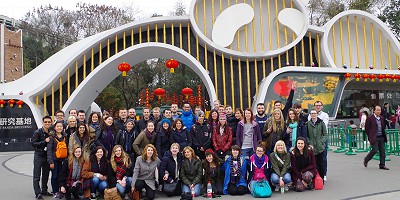
Sichuan TEFL Internship
Teach English in China with TEFL Internships Sichuan

Teach China - Echo
Teach English in China with Echo

Teach China - TEC
Teach English in Shanghai | TEC Graduate Program

Teach China - Shenzhen
Teaching Jobs in Shenzhen, China

Teaching Jobs in China with ClickChina
Teaching Jobs in China

Teach China - Impact
Free China Program - Make Your Impact

Teach English in Beijing with Houhai English
Teach English in Beijing

China Short-Term TEFL Job
Launch Your TEFL Career in China

English Teacher in China's Major Cities
Top-Tier ESL Jobs in China's Leading Cities, Shanghai, Beijing, and Beyond

Teach English in China | Kindergarten Jobs, Visa & Housing Included
Teach English in China | Kindergarten Jobs, Visa & Housing Included

Teach China - Hebei
TEFL Jobs in Shijiazhuang, China
Still the best first-year package in Asia
No other market combines this much demand with this good a package for a teacher with no experience: a proper salary, housing included or paid for, flights reimbursed and a completion bonus at the end of the year. The trade is that China takes its paperwork seriously. You need a degree, an accredited TEFL and a clean record, and you'll be hired and processed before you fly. Do it properly and it's the year most people save more than they ever have.
- Shanghai
- Beijing
- Shenzhen
- Guangzhou
- Hangzhou
- Chengdu
- Suzhou

What you need to teach English in China
China's requirements aren't employer preferences, they're the conditions of the Z work visa, and they are now enforced consistently across provinces. Nobody legitimate can get you round them, and anyone who says they can is offering you a tourist-visa job that ends in a fine and a flight home.
-
An accredited TEFL of at least 120 hours
A legal requirement for the work permit unless you have two years of documented teaching experience. The certificate is authenticated alongside your degree, so it needs to come from a provider whose accreditation can be checked, not a weekend course.
-
A bachelor's degree, in any subject
Mandatory, no exceptions. Your original degree certificate is notarised and apostilled in your home country before the employer can apply for your work permit notice. Photocopies and online-only degrees cause problems, so get the original ready early.
-
A Z visa sponsored by a licensed employer
You accept an offer, the school obtains a work permit notification, you apply for the Z visa at your consulate, then convert it to a residence permit within 30 days of landing. Allow six to ten weeks. You'll also need an apostilled criminal record check and a medical.
-
The right passport, and to be under the age limit
Policy favours citizens of the UK, Ireland, USA, Canada, Australia, New Zealand and South Africa. Some provinces and universities make exceptions for strong non-native speakers with English-medium degrees. Most bureaus set an upper age of 55 to 60 for new permits.
Visa rules vary by city and are tightened periodically, most recently in early 2026. Our partners handle the permit application, but the document authentication is yours to organise, and it's the step that delays most departures. See our guide on how to legalise your TEFL certificate for the apostille process.
Which TEFL course should you take for China?
Any accredited 120-hour course satisfies the visa. The question is what happens after that: which schools shortlist you, how you handle a class of forty seven-year-olds, and whether your certificate opens the international schools that pay double. Against a Chinese salary, the difference in course price is a few days' pay.
120hr Professional TEFL
£99
The accredited 120 hours the work permit requires, at the lowest price. Enough for public school and kindergarten roles, and the right choice if you already have teaching experience.
- Satisfies the Z visa requirement
- Finish in 2–4 weeks
- Lifetime access to materials
168hr Level 5 TEFL
£269
Ofqual-regulated and awarded by TQUK. The easiest certificate for a Chinese HR office to verify, and the one that gets you into the bilingual and international schools where pay starts at 20,000 RMB.
- Regulated, not just accredited
- Opens the better-paying schools
- Travels with you to any market
170hr Combined TEFL
£279
Includes 20 hours of assessed practice with real ESL learners. Most Chinese interviews end with a demo lesson, and most first-year teachers walk into a kindergarten or primary class of 30-plus; this is the one that prepares you for both.
- Ready for the demo lesson
- Answers the "no experience" objection
- Free lesson plan bundle included
Most first contracts in China are with children, and the kindergarten market in particular is large. The Early Childhood Education course (£15) is a small add-on that shows you know what a room of four-year-olds needs. Or compare every package side by side.

What to expect teaching English in China
Pay and package
Expect a salary in RMB and a package that covers most of your fixed costs, which is why teachers in China save far more than the headline figure suggests.
- Public schools and kindergartens: 12,000–20,000 RMB a month (£1,300–£2,200)
- Private and bilingual schools: 18,000–30,000 RMB (£2,000–£3,300)
- International schools: 30,000–40,000+ RMB for licensed teachers
- Free furnished housing or an allowance on almost every contract
- Flight reimbursement and a completion bonus at the end of the year
- Health insurance included; most teachers save £600–£1,500 a month
Where you might teach
Since the 2021 tutoring reforms closed most after-school training centres, the market has moved firmly into schools, and that is where the stable contracts are.
- Kindergartens — the biggest hirer of first-year teachers, light hours
- Public primary and secondary schools — large classes, long holidays, low workload
- Private and bilingual schools — better pay, higher expectations
- International schools — best paid, want QTS or PGCE
- Universities — low hours and long breaks, usually want a master's
Getting hired
Almost all hiring happens from abroad, online, and months ahead. Being qualified early is the single biggest advantage you can give yourself.
- Main intakes in late August and February; recruitment runs four months ahead
- Online interview, then a recorded or live demo lesson
- Six to ten weeks of document authentication and visa processing
- Check who pays for the visa, flights and housing, and when
- Our placement partners provide on-arrival support, orientation and a Chinese assistant
| City | Climate | What it's like | Job market |
|---|---|---|---|
| Shanghai | Humid summers, chilly damp winters | Global, fast and easy to live in; the largest expat community | Highest pay and the most international schools; rents to match |
| Beijing | Hot summers, cold dry winters | The capital, history on every corner, air quality improving | Large and varied, from public schools to embassies' international schools |
| Shenzhen and Guangzhou | Subtropical, warm all year | Tech-city energy next door to Hong Kong; Cantonese south | Strong private-school demand, good pay, lower rent than Shanghai |
| Hangzhou, Suzhou and Nanjing | Four seasons, mild | Beautiful, prosperous and calmer; an hour from Shanghai by rail | Where many of our placements are: solid pay and lower costs |
| Chengdu and Chongqing | Humid, cloudy, mild winters | Sichuan food, pandas and a famously relaxed pace | Growing fast, less competition, lowest living costs of the big cities |

Teaching in China: your questions answered
Can I teach in China without a degree?
No. A bachelor's degree in any subject is a condition of the Z work visa and there is no legal route around it. If you don't have one, Cambodia, Costa Rica and parts of Latin America are the markets to look at instead; our where can I teach guide walks through them.
Do I need to be a native English speaker?
Officially, work permits for English teachers go to citizens of the UK, Ireland, USA, Canada, Australia, New Zealand and South Africa. Some provinces and universities make exceptions for non-native speakers with an English-medium degree and a strong qualification, but treat that as the exception rather than the plan.
How much can I actually save?
With housing and flights covered and a completion bonus at the end, most teachers put away £600–£1,500 a month, or £8,000–£15,000 across a one-year contract. Teachers in tier-two cities often save more than those in Shanghai despite lower salaries, because rent and eating out cost so much less. See our guide to how much you can earn as a TEFL teacher.
What is the Z visa and how long does it take?
The Z visa is the only visa that allows you to be paid for teaching in mainland China. Your employer obtains a work permit notification, you apply at your local Chinese consulate, and within 30 days of arriving you convert it to a residence permit. From accepting an offer to boarding a plane is typically six to ten weeks, most of which is getting your degree, TEFL and police check apostilled.
Is there an age limit?
Most bureaus issue new work permits up to 55 for women and 60 for men, and enforcement of the limit tightened in 2026. Some second- and third-tier cities are more flexible for experienced teachers. If you're near the limit, tell us early and we'll point you at the employers and cities that can still process you.
Do I need to speak Mandarin?
Not to be hired, and schools generally want English-only classrooms. Daily life in the big cities is manageable with translation apps and a few phrases, and most placements pair you with a Chinese assistant teacher. Learning some Mandarin is one of the best things you can bring home from the year.
Didn't China ban English teaching in 2021?
No. The 2021 reforms targeted for-profit after-school tutoring companies, which had been a big employer of foreign teachers. Schools, kindergartens, bilingual and international schools and universities were untouched and are where the demand sits now. The market is smaller than its 2019 peak but better regulated and, for teachers in schools, more stable.
What are the internship and graduate routes?
The lowest-risk way in, especially for a first job. A placement is arranged before you fly, you arrive into orientation and training rather than a job hunt, and there is support on the ground while you settle. Have a look at our Sichuan TEFL internship, the Explore China programme in Shanghai and the China Graduate Program.
Not certified yet? Start there.
Every role on this page needs an accredited TEFL certificate before the visa can be filed. Get qualified in a few weeks, then our placement team will match you with a licensed school and walk you through the paperwork.
Related articles

Earn and learn with paid TEFL internships in China
03 October 2025

Where are the 5 best jobs teaching English in China?
01 September 2025

6 Steps to Land Your Dream Teaching Job in China (Even as a Beginner!)
17 July 2025

The Steppe-by-Step Guide to Teaching English in Hohhot
18 February 2025

Is the TEFL Internship in China, Sichuan a rewarding experience?
07 November 2023

Try teaching English in China with a Sichuan TEFL internship
06 October 2023

Will I be well paid to teach English in China?
30 August 2023

Why you should teach English in China
28 July 2023
Teaching in China?
Learn Mandarin and get 50% OFF your first lesson with Preply. Zhù nǐ hǎo yùn!